
smoothies
Raw food diets
Heat is not the only way to cook food. Marinades (containing acids, such as vinegar or lemon juice) are a form of chemical cooking and also change the chemical structure of food.
A raw food diet unsurprisingly involves eating only raw foods. But, defining ‘raw’ is more complicated than one might expect. Proponents of a raw food diet define it as, unprocessed and not reaching temperatures higher than 40-48C.
Raw food diets have in recent years boost the immune system by giving the human body natural minerals and vitamins, Like many extreme diets, it takes a kernel of truth and expands it into a whole lifestyle.
Disadvantages of a raw food diet
- It’s restrictive and can make eating out difficult.
- As the variety of foods eaten is limited, it can lack nutrients and energy. It is particularly difficult to get enough protein, vitamin B12 and iron on a strict raw food diet.
- It can be hard to know how to get the best from your ingredients. Some raw foods provide enough nutrients when eaten whole, while chopping and pureeing others mean they can release more nutrients.
- Maximum nutrition doesn’t always correlate with optimum flavour.
- Some foods are more nutritious when eaten cooked.
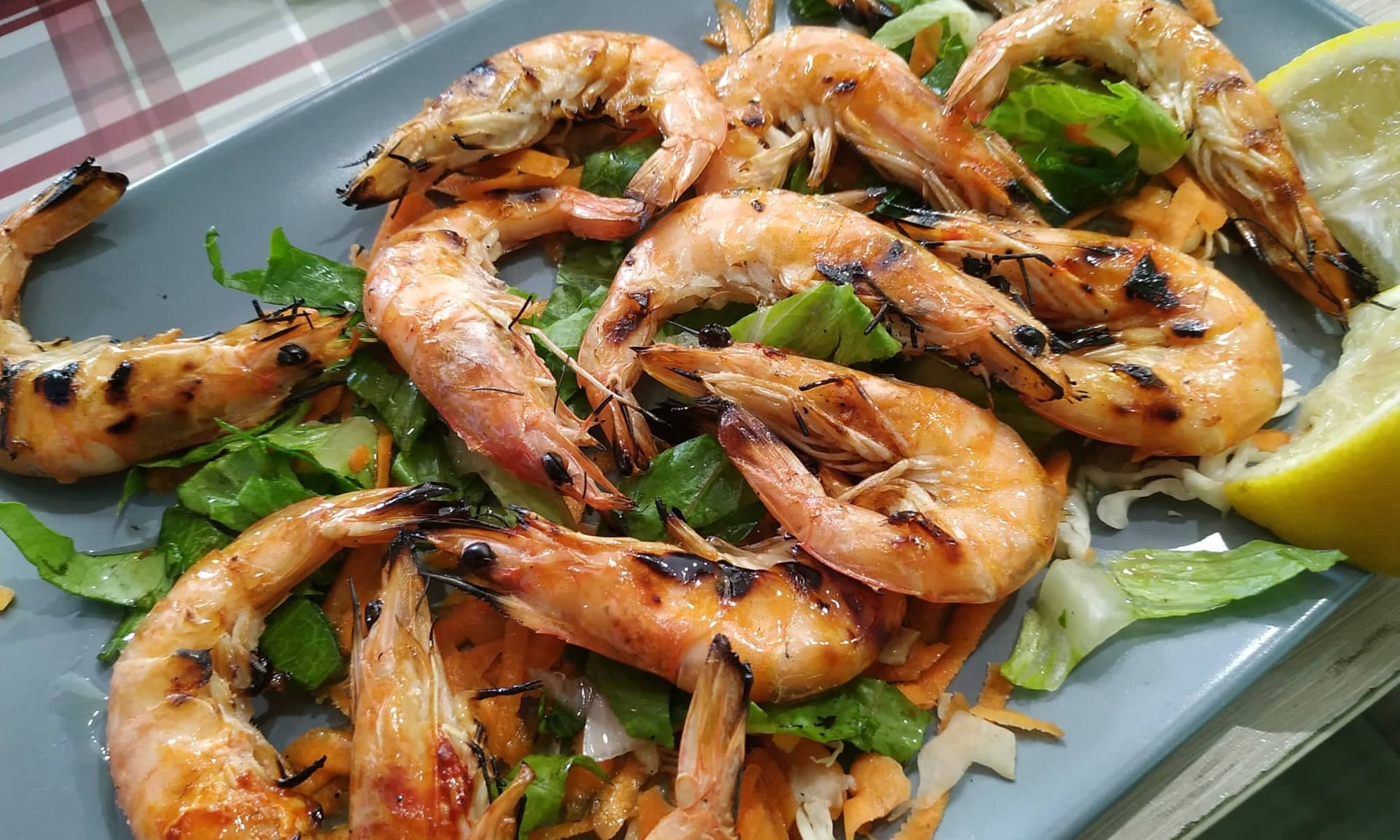
shrimps and cabbage
Advantages of a raw food diet
- It’s beneficial to eat some raw foods, such as fresh fruit and salads, because they contain higher levels of some vitamins.
- Raw food can be quick and simple to prepare.
 Ghana Tour Blog