history of Odwira
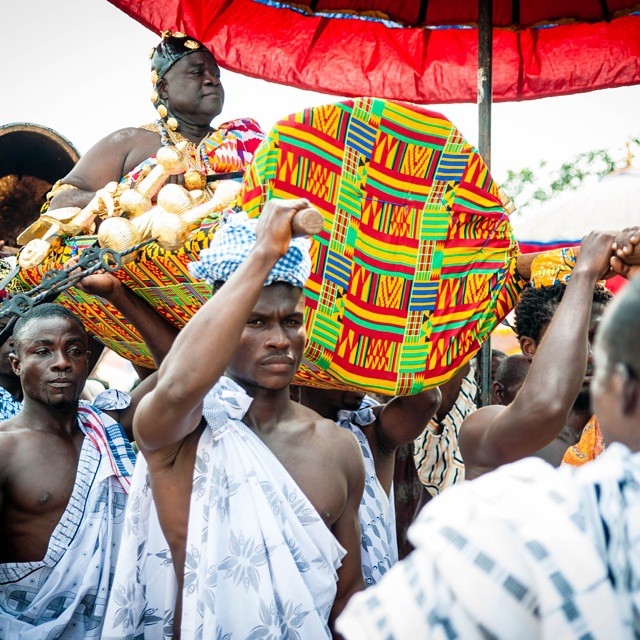
For generations, the Odwira Festival has been celebrated by the people of Akropong, Amanokrom and Lateh in the Eastern Region. The Festival was initiated by the 19th Okuapehene of Akuapem, Nana Addo Dankwa 1 who ruled from 1811 to 1835.
First celebrated in October 1826, its significance is linked to the victory of the people of Okuapeman over the then-powerful Ashanti army during the historic battle of Katamansu near Dodowa in 1826. Being a Yam Festival, traditionally, the timing of Odwira also coincides with the harvest season when there is abundant food; gratitude for the harvest is especially expressed in the “feeding the Ancestors.
Due to its hilly terrain, the temperature there is very conducive considering the high temperatures in some other areas in Ghana. Odwira Festival is a week-long series of traditions and rituals performed to purify the town, the people and most importantly, the ancestral Stools of the Chiefs . It is also a festival to celebrate the harvest of “new Yams”.
Six weeks prior to the occasion, some activities are forbidden and hefty fines or serious punishment are given to people who violate this ban. Some of these activities include, no loud music, no drumming, no whistling after dark and most of all no eating of yams. Odwira Festival is broken into six days and each day has a significance and a purpose. This starts from Monday and ends on Sunday.
The Akuapem Traditional Council, will once again celebrate the 2019 Akuapem Odwira Festival, dubbed: Odwira Unlimited – ‘Okuapeman te ase’ (Okuapeman is alive) to display the rich culture and traditions of Okuapeman.
The festival, which is slated to take place from the 16th to 22nd September, 2019, feature some colourful and fun-filled activities, and promises to display unique cultural experience as well as, an opportunity to learn and connect with the rich history of Okuapeman.
This year’s Odwira festival marks 400 years since the first enslaved African arrived in Jamestown Virginia, and has also coincided with the “Year of Return, Ghana 2019”.
There will also be an opportunity to visit some historic sites, such as the Aburi Gardens, Boti Falls, Bosomase Falls, the Abontsi Slave Market, Okomfo Anokye’s home, the Larteh Shrine, and the Tetteh Quarshie Cocoa Farm, a tour of the Chief’s Palace, amongst others.
 Ghana Tour Blog